
What is the Difference Between a Pico Laser, Pico Hybrid Laser, and Yellow Laser?
Laser treatments have grown in popularity over the years, with various treatments developed for specific skin types or conditions. Pico lasers are one such technology that has seen widespread adoption, along with Pico hybrid and yellow lasers. What exactly are the key differences between these three?
What is a Pico Laser?
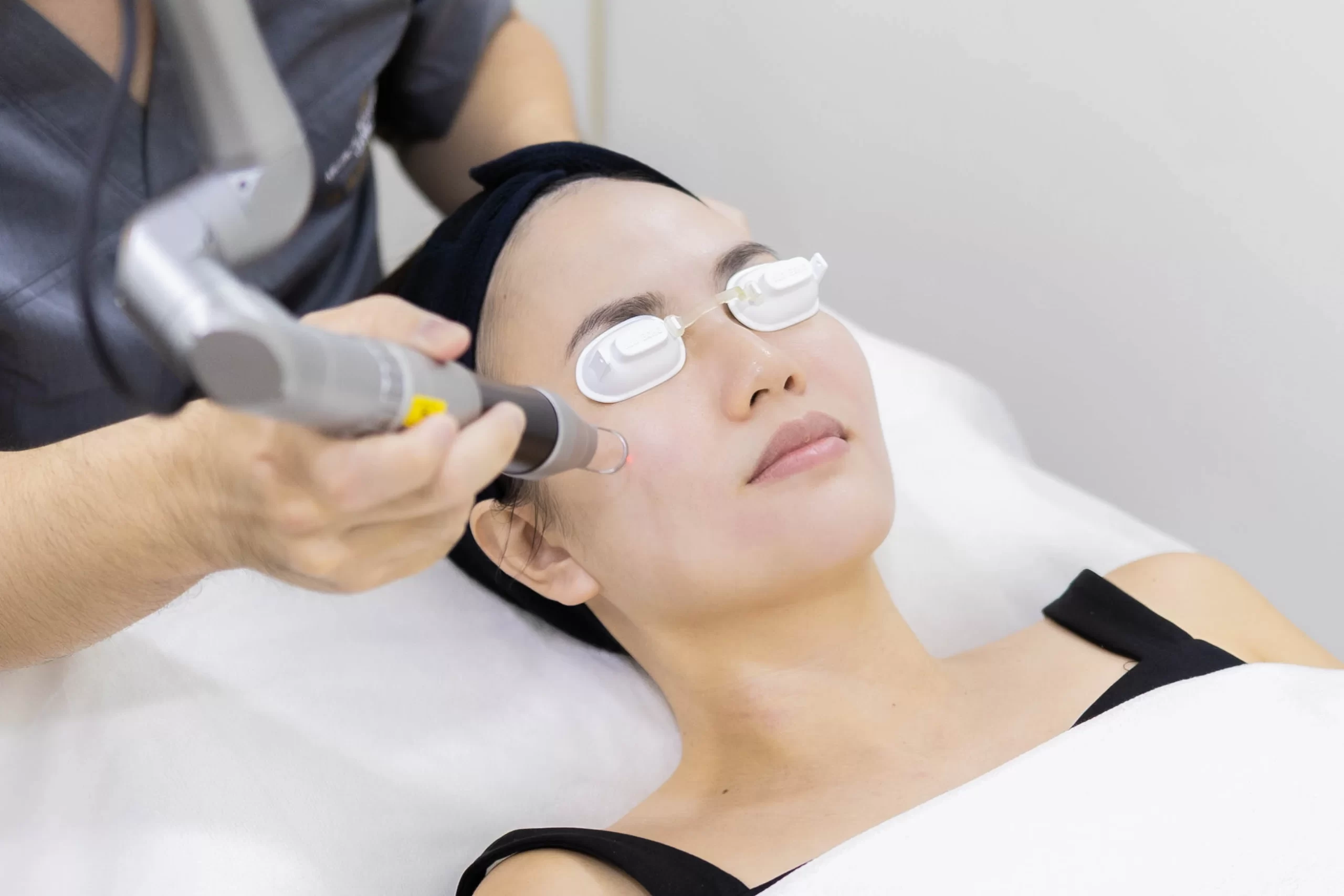
A Pico laser is a non-invasive laser treatment that delivers very short pulses of energy measured in picoseconds, where one picosecond is a trillionth of a second. The treatment is aptly named after the laser’s rapid, concentrated pulses, carefully breaking down pigmentation in your skin into tiny particles that are naturally removed from your body. As such, the treatment may facilitate your skin’s gradual restoration of tone and helps address skin conditions.
Compared to traditional laser treatments, Pico lasers deliver minimal heat due to the shorter energy pulses, which may reduce the risk of skin damage and improve your overall comfort during treatment. Their higher precision, provided by shorter bursts, ensures you can enjoy controlled, targeted treatment under the care of a professional aesthetic doctor with minimal downtime.
What is a Pico Hybrid Laser?
A Pico hybrid laser is a variant of the Pico laser that combines picosecond and nanosecond pulse durations in a single device to treat various skin concerns. This versatility allows for a more targeted approach compared to some traditional laser systems, while still ensuring your safety and comfort during the procedure. Among its key uses are stimulating collagen production to improve skin texture and to address uneven skin tone caused by hyperpigmentation.
What is a Yellow Laser?
A yellow laser refers to its use of the yellow wavelength (577 nanometres, or nm) in the light spectrum. It is a gentler laser treatment compared to traditional laser therapies and is commonly used to treat skin redness, pigmentation, and acne. It typically alternates between a yellow laser that targets blood vessels to treat redness, damaged capillaries, and vascular lesions, and a green laser (511 nm) that targets melanin to treat freckles, sunspots, and melasma. In most cases, a yellow laser treatment that penetrates the skin aims to support skin brightening and rejuvenation, as well as treating mild-to-moderate pigmentation issues.
The use of a yellow laser is typically recommended for Asian skin types, which tend to be prone to pigmentation. The technology is designed to reduce the risk of post-inflammatory pigmentation, particularly for those with darker or sensitive skin.
Comparing Laser Technologies
Before deciding on a laser treatment for your aesthetic needs, you will need to understand the specific use cases of each laser technology. This knowledge allows you to know which one suits certain treatment circumstances and minimises the risk of side effects.
Technologies Used
A standard Pico laser uses picosecond-based technology to deliver controlled energy pulses to treat various skin conditions, while a Pico hybrid laser adds nanosecond-based pulses for added versatility.
Meanwhile, a yellow laser uses a copper bromide laser that delivers directed pulses at two wavelengths: yellow (577 nm) and green (511 nm), which are used to treat specific skin conditions. The yellow light is absorbed by haemoglobin in red blood cells to shrink abnormal blood vessels and reduce redness, while green light is absorbed by melanin, the pigment responsible for skin colour, to break down excess pigment.
Treatment Purpose
A Pico laser treatment aims to clear pigmentation and related skin conditions while stimulating collagen production to improve skin texture and tone. It may also be performed as a painless method for removing tattoos. Meanwhile, a Pico hybrid laser treatment can also be used for these purposes, but the addition of nanosecond pulse durations provides additional versatility for removing larger pigments, performing skin resurfacing, and achieving targeted hair removal.
A yellow laser, on the other hand, is generally designed to reduce skin inflammation, redness, and vascular pigmentation and manage certain skin conditions, such as melasma. It may also improve skin complexion and firmness. Other conditions a yellow laser can treat include age spots, acne, and superficial lesions.
Suitability
Standard Pico and Pico hybrid laser treatments are typically recommended for those with pigmentation-related issues, such as dark spots and uneven skin tone, especially when these conditions are caused by deep-seated pigmentation that traditional lasers cannot treat.
Conversely, yellow laser treatments are more suited for treating milder to moderate pigmentation issues, as well as redness and acne by controlling skin inflammation.
Treatment Procedure
Both treatments share many similarities due to their use of laser technology, in which the aesthetic doctor carefully directs the laser at the target area with controlled bursts of energy to deliver the necessary treatment. You may require several scheduled sessions to gradually see the results of your treatment.
Before the procedure, the standard Pico laser and Pico hybrid laser typically do not require numbing cream, except when treating deeper or stubborn skin conditions. This is primarily due to the lower intensity and shorter pulse durations of the Pico laser. Conversely, yellow laser treatments may require the application of numbing cream to your skin to maintain your comfort throughout the procedure. However, the need for numbing cream for laser treatments may differ from person to person, as some people may respond differently to the treatment.
Post-Procedure Effects & Downtime
As non-invasive treatments, all three laser treatments are said to be gentle on the skin, with only some minor discomfort during the procedure. After the treatment session, downtime will typically only take a few hours, though it may take a day or two for your skin to recover after a yellow laser treatment. This happens as your skin may seem slightly darker at first before gradually lightening over time, which may take several hours or a few days. This side effect generally does not arise after a standard Pico or Pico hybrid treatment.
During the downtime after any of these laser treatments, your skin may experience some mild redness, swelling, or sensitivity that will subside after a few hours. If they do not subside, contact your aesthetic doctor immediately.
If you need further advice or support on laser treatments, such as our Pico Hybrid laser, JY Medical Aesthetics is ready to answer your questions and allay any doubts you may have.
