
Beyond Wrinkles: Skin and Body Conditions That BTX Can Treat
BTX’s widespread reputation has led to its longstanding associations as a go-to treatment for wrinkles, crow’s feet, and other related cosmetic concerns. But did you know its uses extend beyond wrinkle treatment? Learn more about BTX’s medical uses in our informative article.
What is Botulinum Toxin (BTX)?
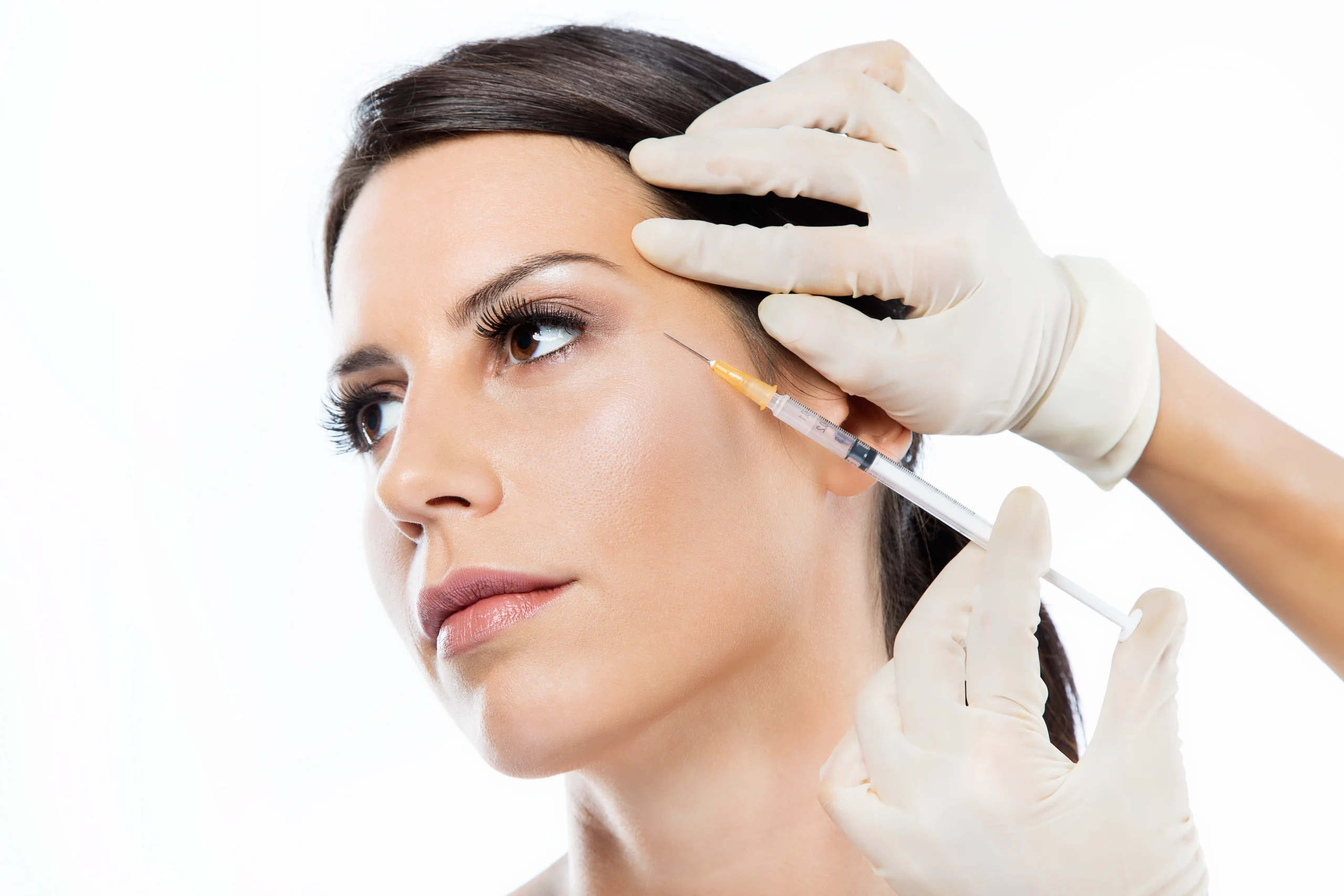
BTX is derived from the botulinum toxin, which is produced by the bacterium Clostridium botulinum and subsequently purified for use in both cosmetic and medical procedures. The toxin is a neurotoxin that blocks specific nerve signals controlling muscle contractions. This, in turn, causes the muscles to relax for a prolonged period (usually a few weeks to months), reducing the formation of facial wrinkles (such as frown lines). BTX is delivered via injection, so anaesthetic cream will be applied around the injection site to numb it and minimise your discomfort during the procedure.
Not everyone is eligible for BTX treatments. Individuals who should avoid getting a BTX injection include:
- Those with neuromuscular complications
- Anyone with facial muscle weakness
- Anyone with uneven facial features (which could lead to an improper injection)
- Pregnant women
BTX may also potentially cause side effects, such as:
- Pain, swelling or bruising at the injection site
- Headache
- Droopy eyelids
- Watery or dry eyes
- Risk of infection at the injection site
Skin, Face, and Body Conditions BTX Can Treat
BTX is often used to alleviate various skin, facial, and body conditions and may be included as part of other treatments for various reasons. As BTX effects are not permanent, you may need follow-up shots for continued symptom management.
Acne
Acne occurs when excess dead skin cells, sweat, and natural oils (sebum) accumulate and clog pores. It leads to the formation of pustules on the skin that may feel hard and bumpy and contain pus. If your sweat glands are causing excessive sweating, a condition called hyperhidrosis, it can exacerbate further acne breakouts.
BTX may be used to control excessive sweating by reducing the activity of your sweat glands; it inhibits nerve signals that trigger sweat production. This can help reduce the severity and frequency of acne breakouts.
Crow’s Feet & Frown Lines
Crow’s feet are noticeable wrinkles that form at the corners of your eyes, while frown lines are wrinkles that appear near your eyebrows. While these fine lines do form naturally whenever you make facial expressions, they may gradually become more noticeable even when you are not smiling or squinting your eyes.
BTX may be used to treat these conditions by injecting close to where the fine lines form. It will temporarily inhibit nerve signals and block muscle contractions that cause these wrinkles.
Neck Bands
Neck bands refer to the prominent wrinkling that forms on your neck, and typically stems from age-related skin changes. They run horizontally or vertically along your neck and may appear thick due to the frequent muscle contractions that lead to their formation.
BTX helps manage neck bands by relaxing specific neck muscles, such as the platysma muscles that run vertically down both sides of your neck. The BTX aims to relax the muscles and prevent the appearance of these neck bands for some time.
Marionette Lines
Marionette lines are typically found along the corners of your mouth, close to the chin. They tend to form following a loss in musculoskeletal volume in your face, which may partly be due to ageing. When these lines typically form, they tend to make your facial expressions seem dull, tired, and sad.
BTX is administered to prevent further sagging and wrinkling, which would make these marionette lines seem more prominent. While it cannot treat the root cause of marionette lines, it can serve as a temporary, minimally invasive solution.
Eczema
Eczema is a chronic inflammatory skin condition characterised by dry, itchy, and inflamed skin. Ongoing studies suggest that BTX may provide temporary relief from eczema symptoms by inhibiting the release of acetylcholine, a neurotransmitter that is said to cause itching in those with eczema.
However, further research is needed, as potential side effects and risks associated with using BTX for such conditions remain. Always consult a licensed aesthetic doctor for further advice and to determine whether you are a suitable candidate.
BTX vs. Dermal Fillers
BTX and dermal fillers are often used to address various cosmetic concerns, such as reducing wrinkles, but they serve different purposes.
Most notably, both have very different functions. BTX, for one, involves temporarily blocking nerve signals to allow specific muscles to relax, which may help reduce wrinkles and fine lines and support the treatment of other medical conditions. Dermal fillers, by contrast, are purely for cosmetic use, as they add volume to your skin to restore its natural appearance and support facial contouring.
BTX is commonly used to treat dynamic wrinkles, which result from frequent muscle activity during facial movements, as it prevents overactive muscles from working to alleviate wrinkles and fine lines. In contrast, dermal fillers are used to manage static wrinkles resulting from age-related collagen loss and a gradual loss of skin elasticity, or to add volume to the lower face.
To learn more about treating fine lines and wrinkles, consider visiting JY Medical Aesthetics Clinic today to speak to our team for further assistance.
Frequently Asked Questions (FAQs)
Am I eligible for a BTX injection?
During the initial consultation, the doctor or dermatologist will carefully conduct a thorough assessment to determine if you are a suitable candidate for a BTX injection. This process is vital to your safety and well-being, as some people may be allergic to the BTX compound or have other conditions that increase the risk of complications if you receive the injection.
Is a BTX injection painful?
Some people may experience mild discomfort during the injection process, as a numbing cream is applied to the injection site to minimise discomfort. You may only feel a tiny amount of discomfort as the needle is injected into your skin, which is akin to an ant bite.
How long does a BTX injection take?
A BTX injection is performed in a doctor’s or dermatologist’s clinic, and may take anywhere from 15 to 45 minutes, depending on the number of injections needed and other key considerations as assessed by the doctor or dermatologist.
What should I do after a BTX injection?
Avoid touching the injection site for the next 24 hours, and refrain from lying down for at least 2 to 4 hours or so to prevent the BTX from travelling to other parts of your body. Also, avoid strenuous physical activities for 24 hours, and do not consume any alcohol or blood thinners to reduce the risk of bruising.
