acne scar treatment

Acne Scar Treatment in Singapore

What is Acne Scarring?

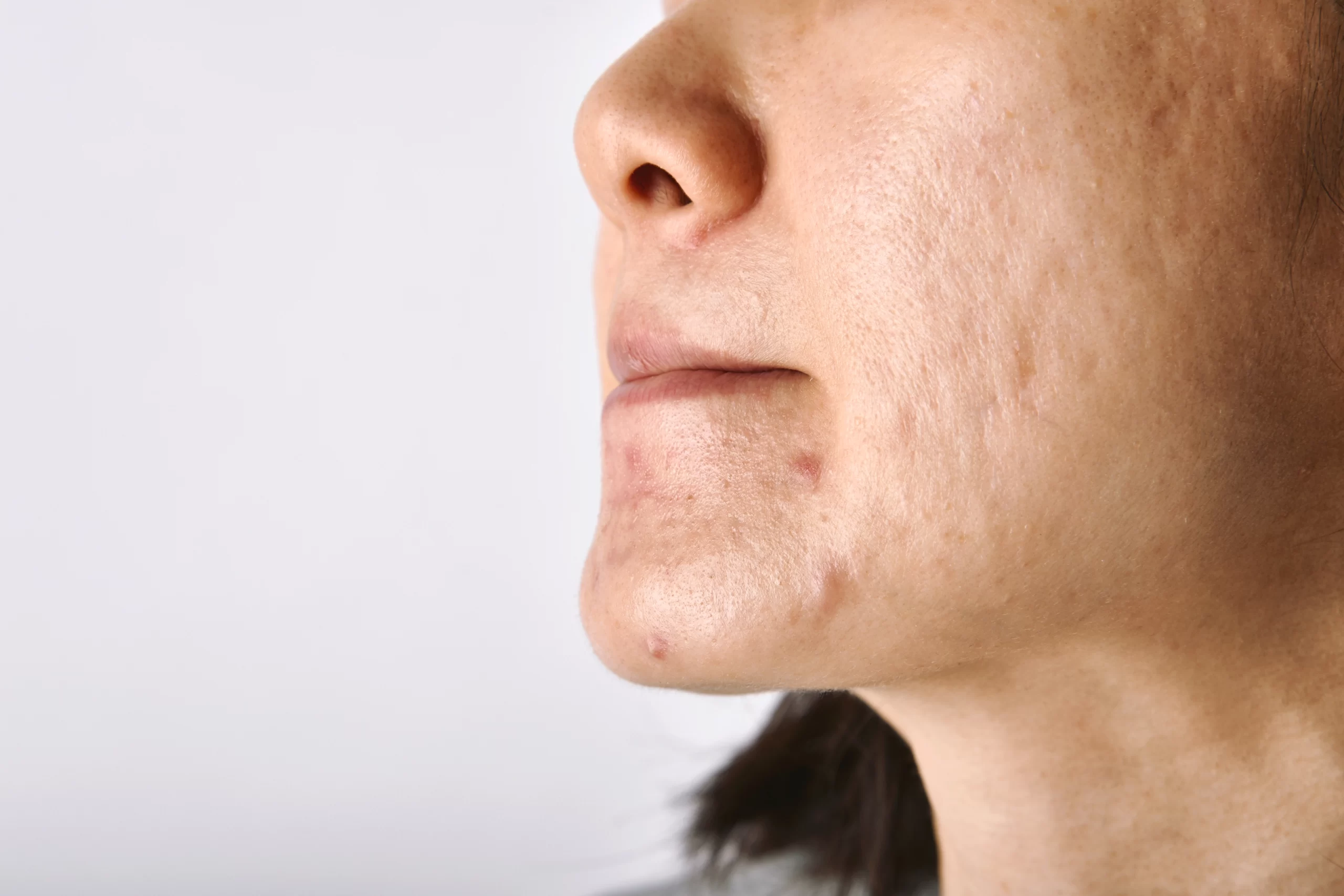
Acne scars occur after a moderate to severe acne breakout. They appear as a result of inflammation, where acne pores swell and gradually break down the pore’s walls. While your body will naturally heal the damaged pores over time, interruptions to the healing process can lead to the formation of acne scars. These acne scars should not be confused with the light red or brown marks that form after an acne breakout heals, known as post-inflammatory hyperpigmentation.

Acne can leave different types of scars that appear as variations of small pockmarks or raised scars on the skin’s surface. They do not cause any harm to your health, but can affect your self-esteem over time.
Types of Acne Scars

Acne scars are categorised into two categories: hypertrophic (or keloid) scars and atrophic (or depressed) scars.

Hypertrophic Scars

These scars appear as raised lumps of scar tissue and are the same size as the acne that caused the scarring. It forms when collagen, a naturally occurring substance in the body that helps heal scars, overproduces in the area affected by acne. These scars are commonly found on your jawline, back, chest, shoulders, or face.

Keloid Scars

If a hypertrophic scar seems larger than the acne that caused it, it is called a keloid scar. They are less common than other types of acne scars and may be darker than your skin tone. Keloid scars may also rarely cause other complications, such as itchiness and discomfort.

Atrophic Scars

Atrophic scars appear flat, sunken, or shallow scarring found beneath the epidermis. It typically forms after a severe acne breakout, which includes cystic acne (a form of painful, inflammatory acne). There are three types of atrophic scars.

  1. Boxcar Scars

    These scars resemble squares or circles with sharper edges. It typically forms on the temples, lower cheeks, and jaw due to acne or even chickenpox.

  2. Icepick Scars

    Named after a tool used to break or chip ice, these scars look like small, narrow indentations that create a deep, V-shaped dent in your skin. Commonly found around your forehead and upper cheeks, they are also one of the hardest acne scars to treat.

  3. Rolling Scars

    These scars appear wavy and uneven due to tension created by fibrous bands below your skin’s surface. They tend to form around the lower part of your cheeks or around your jaw.

Colour Types of Acne Scars

Post-Inflammatory Hyperpigmentation

This condition occurs when your skin produces excessive melanin after an acne breakout, resulting in tan, brown, dark brown, or even bluish-grey spots or patches on your skin.

Post-Inflammatory Erythema

This condition refers to the discolouration of your skin after a severe acne breakout and can be characterised by reddish, grey, or brown marks on the skin. In rare cases, it could cause acne scarring if it is picked at.

Causes of Acne Scars

After an acne breakout, your body will naturally attempt to heal the damage it caused. To do so, the body produces collagen, a protein used for various cellular processes, including tissue maintenance. However, disruptions in collagen production can lead to scarring instead of proper healing. If there is too much collagen, hypertrophic or keloid scars will form. Conversely, too little collagen leads to the formation of atrophic scars.

There are other ways that acne scars may form:

  1. Deep skin damage: Acne that forms beneath the skin (such as nodular acne) may damage the skin, increasing the likelihood of scarring.


  2. Popping pimples: Deliberately squeezing or popping them can cause further inflammation, which may lead to acne scarring.


  3. Genetics: If you have a family history of acne scarring, you may be at a higher risk of developing it after an acne breakout.

Treatments for Acne Scars

JY Medical Aesthetics Clinic offers several treatment options to help you alleviate acne scars.

topical treatment

Topical Treatments

Over-the-counter topical treatments may help treat hypertrophic scars. Available as creams or gels, these products contain active ingredients such as alpha-hydroxy acids and retinoids that gradually improve acne scars and restore your skin’s appearance. For instance, alpha-hydroxy acids can help promote collagen production and support acne prevention to minimise future scarring.

pico hybrid laser for skin

Pico Hybrid Laser

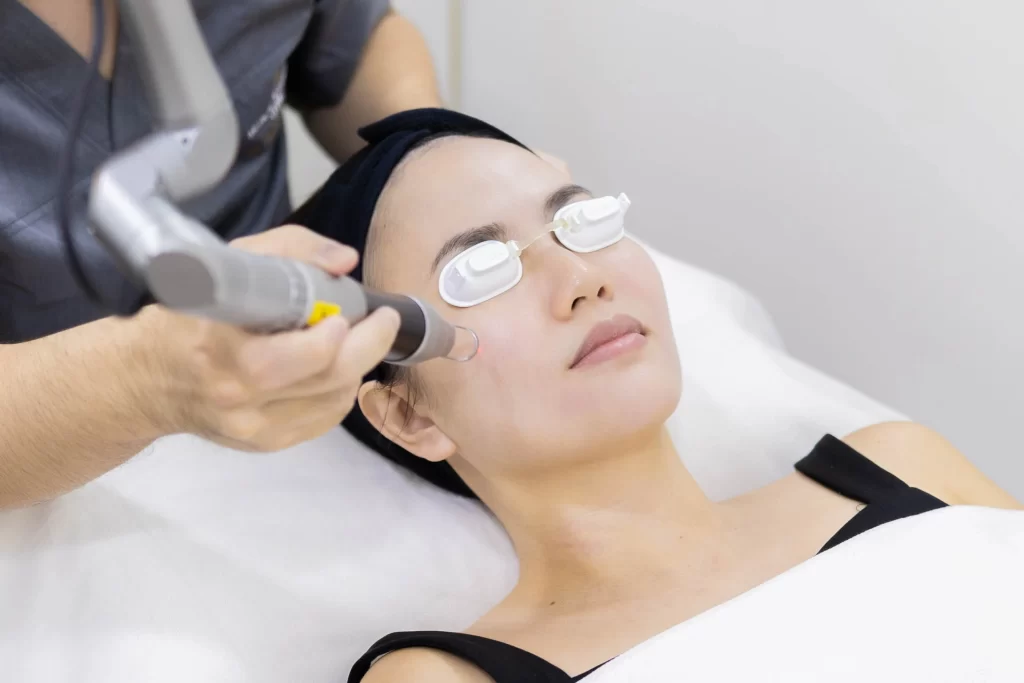
The Pico Hybrid Laser is a non-invasive, advanced laser technology used in dermatology and aesthetic medicine for various skin concerns, including mild to moderate acne scarring. The laser uses both picosecond and nanosecond pulse durations in a single device to improve treatment precision and efficiency.

The Pico Hybrid Laser treats acne scars by stimulating collagen and elastin production. Not only does this facilitate the skin’s gradual recovery, but it also supports the progressive reduction of post-inflammatory hyperpigmentation (skin discolouration after an acne breakout).

Filler Injection

Fillers

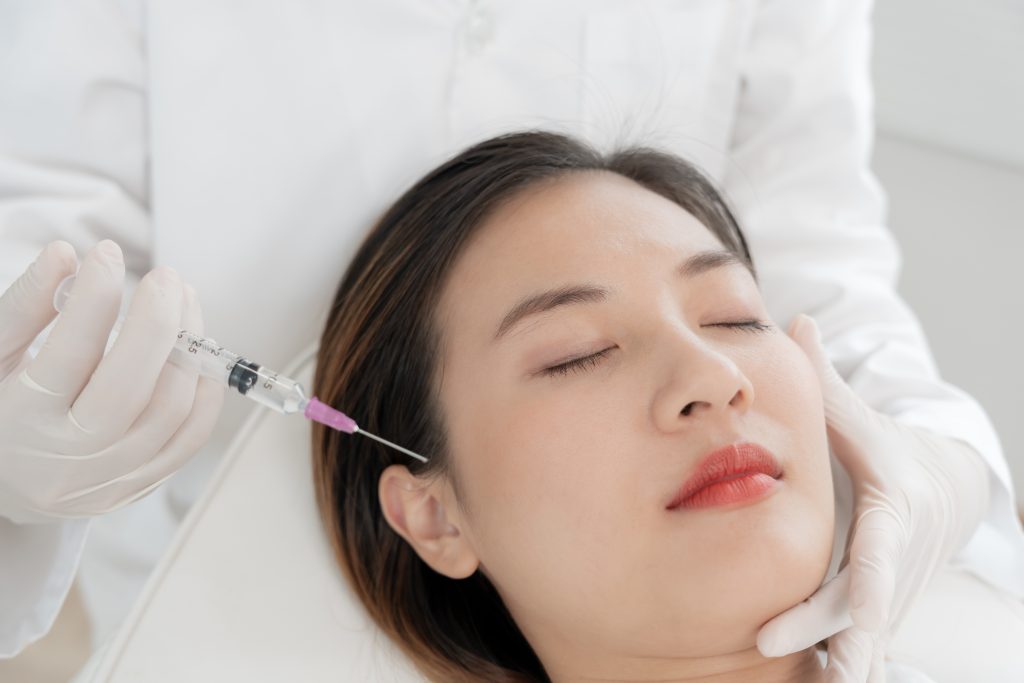
Fillers are versatile injectable treatments that may help treat mild to moderate acne scars. They comprise various substances, including hyaluronic acid and poly-L-lactic acid, which may lift the skin beneath a depressed acne scar.

acne toning laser

Acne Toning Laser

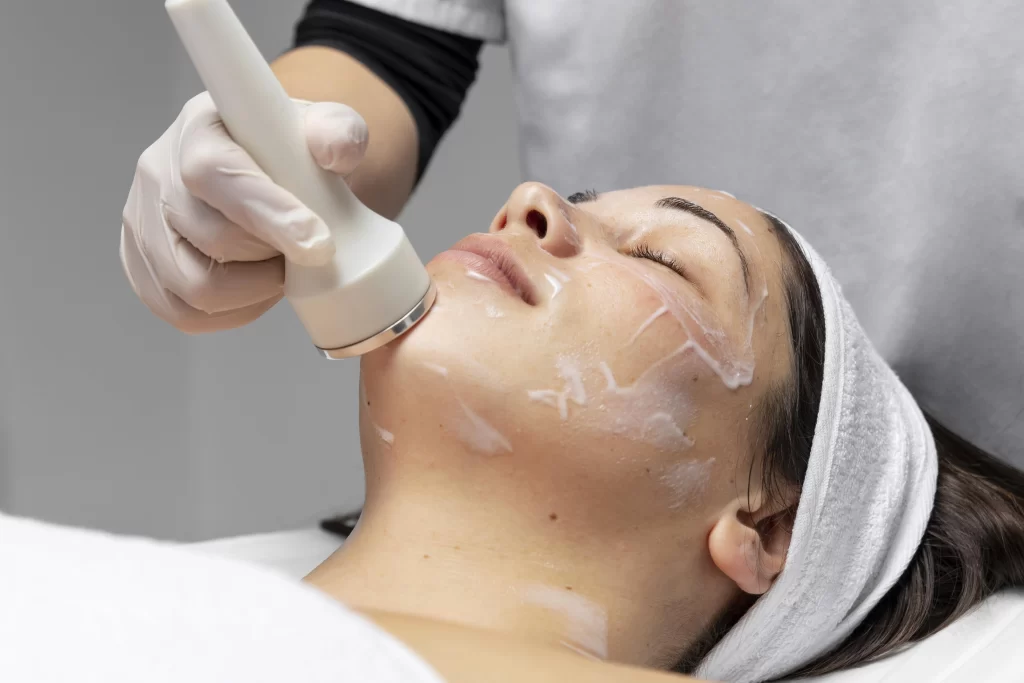
Acne toning lasers are designed to treat active acne and reduce the appearance of acne scars. The laser targets the sebaceous glands to manage oil production and minimise the risk of inflammation. It also gradually improves skin texture and tone by promoting collagen production, which also helps to heal acne scarring and prevent future breakouts.

microneedling rf treatment

Microneedling Radiofrequency

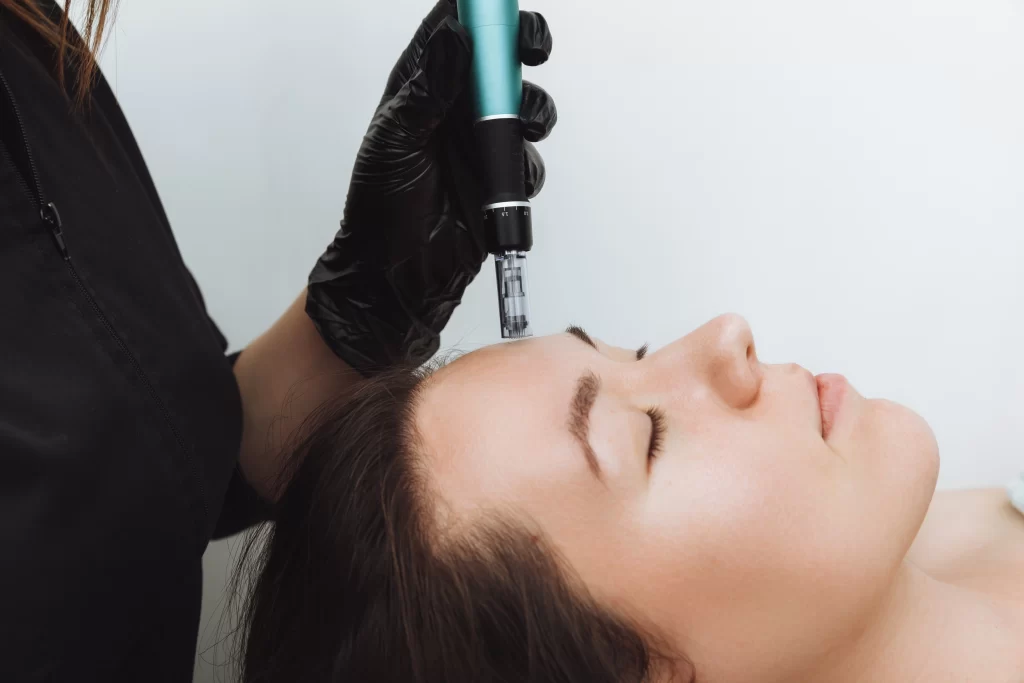
This combination treatment combines conventional microneedling techniques with the use of radiofrequency (RF) energy. Fine needles are used to carefully create micro-injuries in the skin, while targeted RF energy is delivered to deeper skin layers to promote collagen and elastin production. It helps to smooth and rejuvenate skin while treating acne scarring.

Book Appointment Now!

Acne Scars Treatments Comparison

Treatment PICO Hybrid Laser MLA setting Fillers Acne Toning Laser Microneedling Radiofrequency
Suitable for Mild to moderate acne scarring Atrophic acne scars that has volume loss Patients with Post-Inflammatory Hyperpigmentation (PIH) from acne Atrophic acne scars
Key benefits Helps stimulate collagen stimulation and enhance skin tightness and elasticity Filler can replace areas of atrophic acne scarring that has volume loss Helps to quicken the lightening of PIH Helps stimulate collagen stimulation and enhance skin tightness and elasticity
Sessions required* 3 to 4 sessions spaced a month apart for milder cases, or 4 to 6 sessions for deeper acne scars Once a year Once a month, 5 to 10 times 3 to 4 sessions spaced a month apart for milder cases, or 4 to 6 sessions for deeper acne scars
Downtime Minimal Minimal None Minimal
Pain/Comfort Very mild discomfort, topical numbing cream available Mild discomfort, local anaesthetic and topical numbing cream available Very mild discomfort, topical numbing cream available Mild discomfort, topical numbing cream available
Visible results timeline* After > 5 to 10 sessions Immediate After > 5 to 10 sessions 6 months to 1 year

*Results may vary between individuals and consultation with a qualified medical practitioner is required

Book Appointment Now!

What Results Can I Expect?

Acne scarring is permanent, but treatment can help to improve your skin’s appearance. Moreover, acne scar treatment outcomes may vary from person to person, depending on factors such as skin type, scarring type, and how the skin responds to treatment.

Mild acne scarring typically resolves on its own within three to six months, while moderate scarring may require regular treatments to achieve optimal results. With regular sessions, moderate to severe scarring may show gradual, visible improvement within 4 to 8 weeks. You may see optimistic final results between three and six months.

How Many Sessions are Needed?

We will begin with a detailed assessment to determine your skin’s overall condition and the extent of your acne scarring. Doing so will help us determine the type of treatment you need and the number of sessions to treat your acne scars. In most cases, regular sessions spaced evenly over several weeks to months may result in optimal treatment outcomes. Feel free to speak with our team during a consultation to learn more about our services.

FAQ

Acne scars are permanent and may not heal on their own over time unless you receive regular treatment for the scars. It may take several weeks or months for acne scars to gradually fade, depending on factors such as your skin’s response to treatment.

Some treatments may have minimal downtime, allowing you to return to your daily activities shortly after treatment. Our team will provide you with all the necessary information regarding treatment expectations, including recovery downtime.

If you have recently recovered from an acne breakout, visit our clinic as soon as possible. The earlier you can begin treatment for acne scars, the sooner you can see positive results.

At the JY Medical Aesthetics Clinic, we offer a range of treatment options tailored to various cases of acne scarring. The initial consultation enables us to develop a personalised treatment plan tailored to your specific skincare needs by thoroughly assessing your skin’s condition.  We will then outline your treatment plan and allow you to ask questions to clear up any doubts or concerns you may have.

Surface scars can be completely removed with regular treatment, while deeper scars may be less noticeable over time. Some marks that appear after the breakout will clear up on their own over time, although you can discuss additional treatments with our team if you are concerned that the marks will not disappear.

While you cannot entirely prevent acne scars, you can still take preventive steps to mitigate their risk and maintain your skin’s condition. Simple tips include avoiding squeezing or popping pimples, using noncomedogenic skincare products that will not clog pores, and regularly washing and moisturising your skin to minimise the risk of acne breakouts.

Dr. Branden Seow – Singapore Aesthetic Medicine Doctor at JY Medical Aesthetics Clinic

AESTHETIC DOCTOR

Dr. Branden Seow

Dr. Branden Seow graduated from the National University of Singapore (NUS). He is fully accredited by the Singapore Medical Council’s Aesthetic Practice Oversight Committee. Before doing Aesthetic Medicine, he had experiences working in several medical disciplines like Internal Medicine, General Surgery, Orthopedic Surgery, Emergency Medicine, as well as Dermatology.

He found great fulfillment in helping patients regain confidence by addressing skin-related issues, as well as making patients look their best, their youngest and their most confident. Dr. Seow’s passion for aesthetic medicine stems from his natural affinity for hands-on work and a deep desire to improve his patients’ lives. Dr. Seow also believes that aesthetic treatments are not just about physical transformation but also about improving a person’s overall sense of well-being.

CONTACT OUTLET

Jean Yip Loft

307 New Bridge Rd, Jean Yip Loft #02-00, Singapore 088757

Jurong Point

1 Jurong West Central 2, #03-02, Singapore 648886
Hours:
Monday – Friday: 11:00am – 8:00pm
Saturday: 10:00am – 4:30pm
Sunday & PH: Closed
Book Appointment Now!