
Hyperpigmentation is a common and usually harmless condition that causes patches of skin to appear darker than the surrounding areas due to excess melanin production, which is the pigment responsible for skin colour. When there is an overproduction of melanin by specialised skin cells, it results in an uneven skin tone. Skin hyperpigmentation can occur superficially in the epidermis (the outer layer of the skin), deeper in the dermis (the middle layer of skin), or as a combination of both.
Hyperpigmentation: The Causes and Treatments Available
What is Skin Hyperpigmentation?
What Causes Skin Hyperpigmentation?
Skin hyperpigmentation is mainly influenced by the increased production and distribution of melanin, the natural pigment responsible for the colour of skin, hair, and eyes. Hyperpigmentation can result from various causes, some of which are easier to treat than others.
Types of Hyperpigmentation
There are various types of hyperpigmentation, but melasma, age spots, and post-inflammatory hyperpigmentation are the most common types of skin pigmentation.
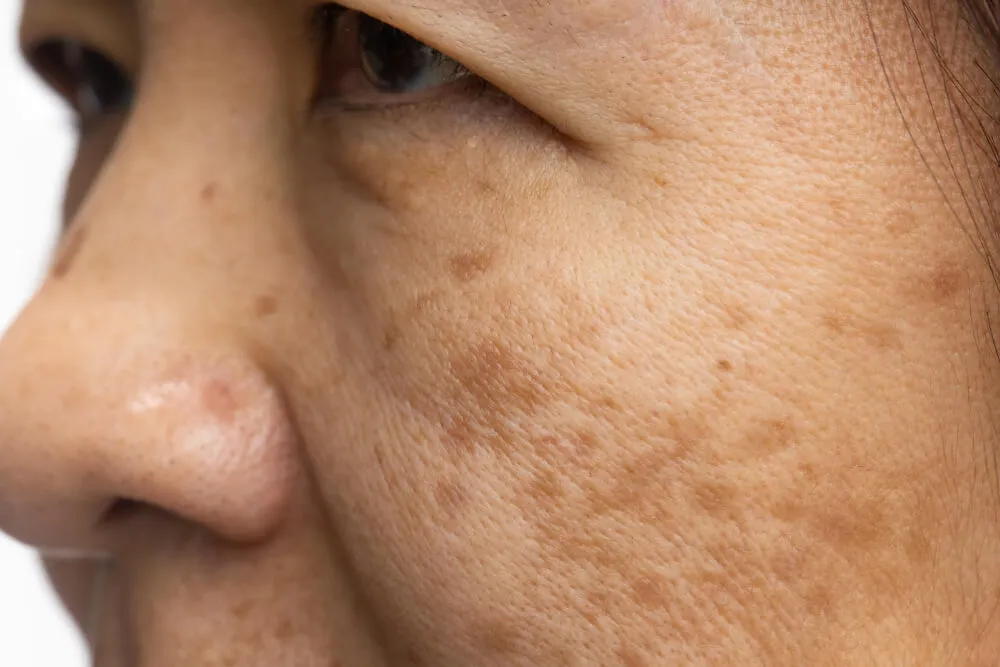
Melasma
Melasma, also known as chloasma, or “the mask of pregnancy”, presents itself as brown or grey-brown patches primarily on the face, including the cheeks, forehead, upper lip, nose bridge, and chin. The patches caused by this common pigmentation condition may also appear on other areas of your body that are exposed to a lot of sunlight like your forearms, neck, and shoulders.
Melasma is often associated with hormonal changes such as pregnancy or birth control use, making women particularly susceptible. Those with light brown to darker skin tones are also affected, especially in regions exposed to more sun.
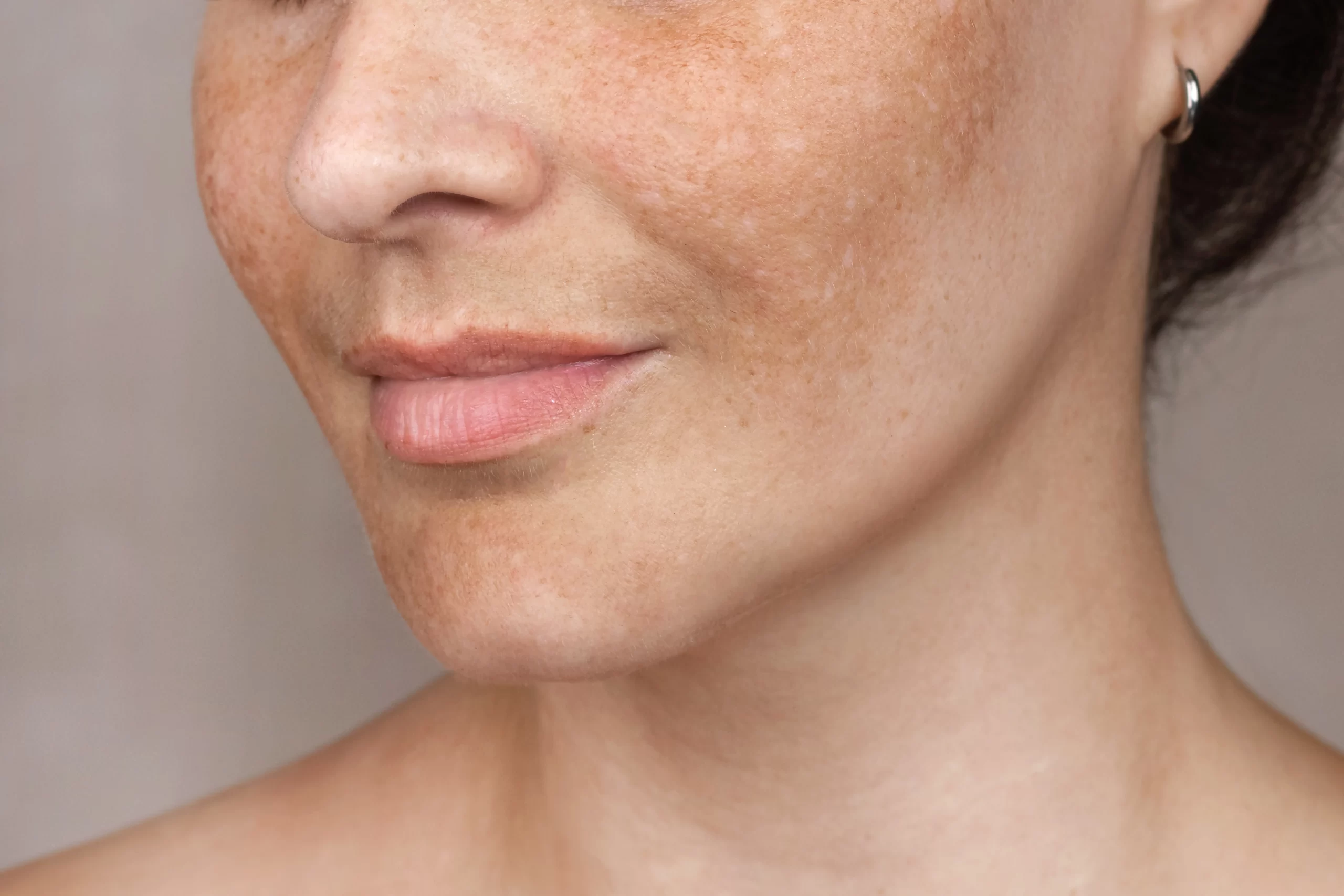
Age Spots
Also referred to by various other names such as lentigo, sun spots, and solar lentigines, age spots are usually flat spots that are tan, brown, or black. Age spots look like freckles and are darker than the surrounding skin. They are also known as liver spots, and despite the name, it has no connection to the liver. Due to prolonged UV exposure, these spots develop on skin exposed to the sun, commonly appearing on the face, hands, arms, and legs of older individuals or those who are exposed to the sun for an extended amount of time.
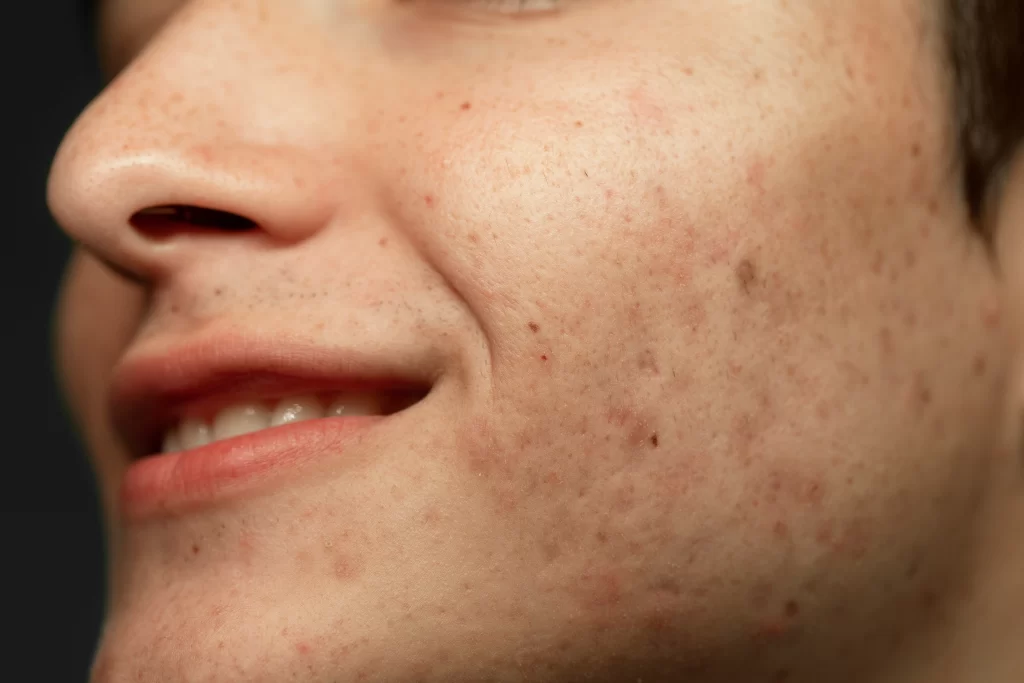
Post-inflammatory Hyperpigmentation
Post-inflammatory hyperpigmentation presents itself as dark spots, patches of darkened skin, or flat areas of discolouration. These can appear after healing from skin inflammation or injury like acne, cuts, burns, eczema, or lupus. They form due to an inflammatory response that triggers additional melanin production during the skin’s healing process. Sun exposure can also make these spots more distinct.
Treatments for Skin Hyperpigmentation at JY Medical Aesthetics Clinic
Although some skin pigmentation can improve naturally over time, certain types of hyperpigmentation are more stubborn. However, there are aesthetic treatments that help to reduce the appearance of unyielding dark spots or patches.
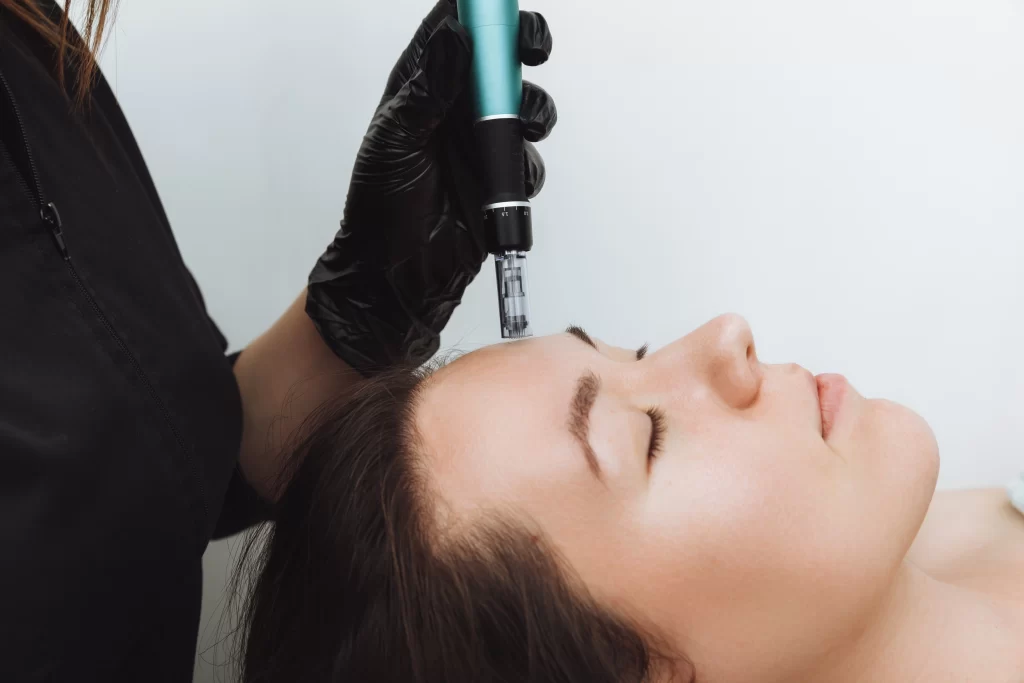
Microneedling Radiofrequency
Combining microneedling with radiofrequency (RF), this treatment delivers RF energy through tiny needles, targeting dark spots and uneven skin tone caused by melanin deposits. The RF energy generates heat that progressively breaks down melanin deposits, leading to brightening the affected areas over time. Microneedling Radiofrequency stimulates the skin’s natural healing process, encourages the generation of new skin cells with balanced melanin levels, and promotes a more even skin tone.
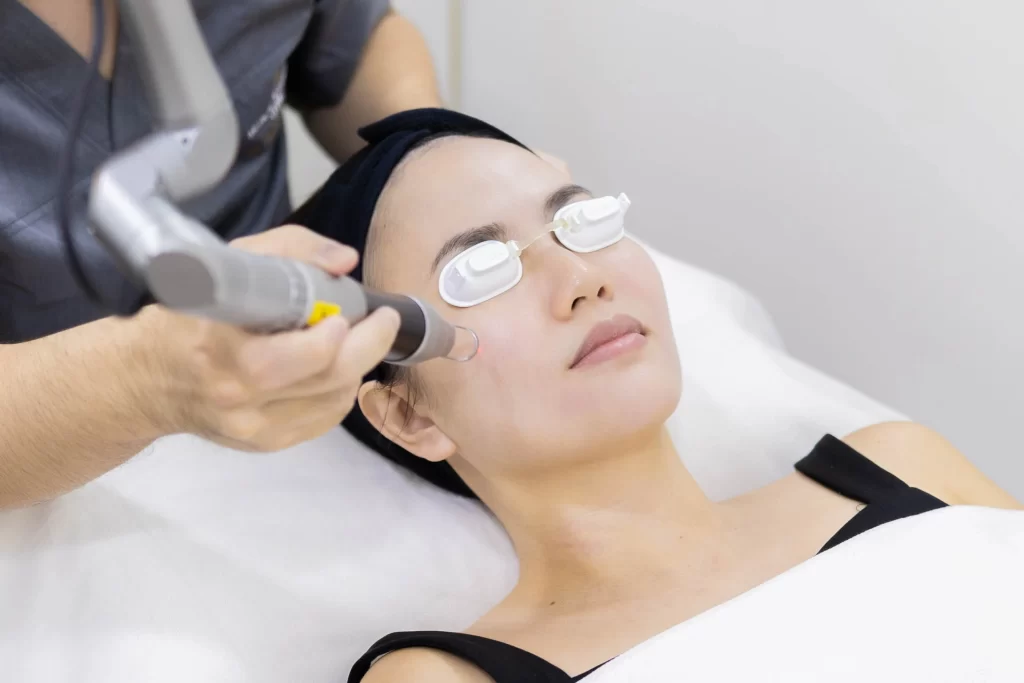
Pico Hybrid Laser
Pico hybrid laser uses picosecond laser technology to deliver ultra-short energy pulses to the skin which effectively breaks down pigmentation into smaller particles, enabling the body to eliminate them naturally. This approach offers great precision and causes minimal heat damage to surrounding tissue, making the treatment effective for lightening dark pigmentation and improving uneven skin tone.
This non-invasive hyperpigmentation laser treatment is less abrasive than traditional lasers, resulting in a shorter recovery time. The combination of picosecond and nanosecond pulse durations also helps to address skin concerns more precisely and efficiently. The shorter pulse lengths allow for shorter treatment times, typically lasting 15 to 30 minutes depending on each individual’s condition and treatment area.
Book Appointment Now!
Treating Skin Pigmentation in Singapore
If you want to manage your skin pigmentation concerns, visit our medical aesthetics clinic today to discover how our treatments can benefit you.
Book Appointment Now!

AESTHETIC DOCTOR
Dr. Branden Seow
Dr. Branden Seow graduated from the National University of Singapore (NUS). He is fully accredited by the Singapore Medical Council’s Aesthetic Practice Oversight Committee. Before doing Aesthetic Medicine, he had experiences working in several medical disciplines like Internal Medicine, General Surgery, Orthopedic Surgery, Emergency Medicine, as well as Dermatology.
He found great fulfillment in helping patients regain confidence by addressing skin-related issues, as well as making patients look their best, their youngest and their most confident. Dr. Seow’s passion for aesthetic medicine stems from his natural affinity for hands-on work and a deep desire to improve his patients’ lives. Dr. Seow also believes that aesthetic treatments are not just about physical transformation but also about improving a person’s overall sense of well-being.
CONTACT OUTLET
Jean Yip Loft
307 New Bridge Rd, Jean Yip Loft #02-00, Singapore 088757
Phone: (65) 6797 9196
Hours:
Monday – Friday: 11:00am – 8:00pm
Saturday: 10:00am – 4:30pm
Sunday & PH: Closed
Saturday: 10:00am – 4:30pm
Sunday & PH: Closed
Book Appointment Now!