
Melasma is a skin disorder characterised by patches or spots of skin with a darker shade than your actual skin tone. You may sometimes hear it called the “mask of pregnancy”, as it commonly happens during pregnancy. Melasma generally goes away on its own without requiring any treatment, but in many cases, it will require dermatological treatment to resolve.
Melasma Treatments in Singapore
What is Melasma?
What Causes Melasma?
Our skin colour is a result of melanocytes, cells that store and produce the pigment melanin, which provides pigmentation to our skin, eyes, and hair, absorbs harmful ultraviolet (UV) radiation from the Sun, and even protects other cells from damage due to long-term sun exposure. The amount of melanin produced by the melanocytes differs from person to person, resulting in differences in skin tone. The more melanin you have, the darker your skin tone is. Interestingly, freckles are also caused by clusters of melanocytes in your skin.
The exact cause of melasma is still unknown, but what is known is that it results in an overproduction of melanin. It is suggested that melasma develops after an as-yet-unknown trigger causes the melanocytes to go into “overdrive”. Another theory is that it is due to a “photoageing disorder in genetically predisposed individuals”.
Whatever the actual cause, melasma can be triggered in various ways. The two more common triggers are exposure to sunlight and hormones.
General Symptoms of Melasma
Melasma can occur anywhere on your skin but commonly affects your face, jawline, neck, shoulders, and arms. They may appear tan, brown, greyish brown, or bluish in tone; some also report seeing freckle-like spots appear. In some cases, these patches may also appear reddish or inflamed. Also, melasma does not cause other physical symptoms, such as itching.
Melasma Treatments
Some people find the apparent changes in skin tone difficult to accept, and they may experience problems with their confidence and perception of themselves. JY Medical Aesthetics Clinic offers several different dermatological techniques for treating melasma.
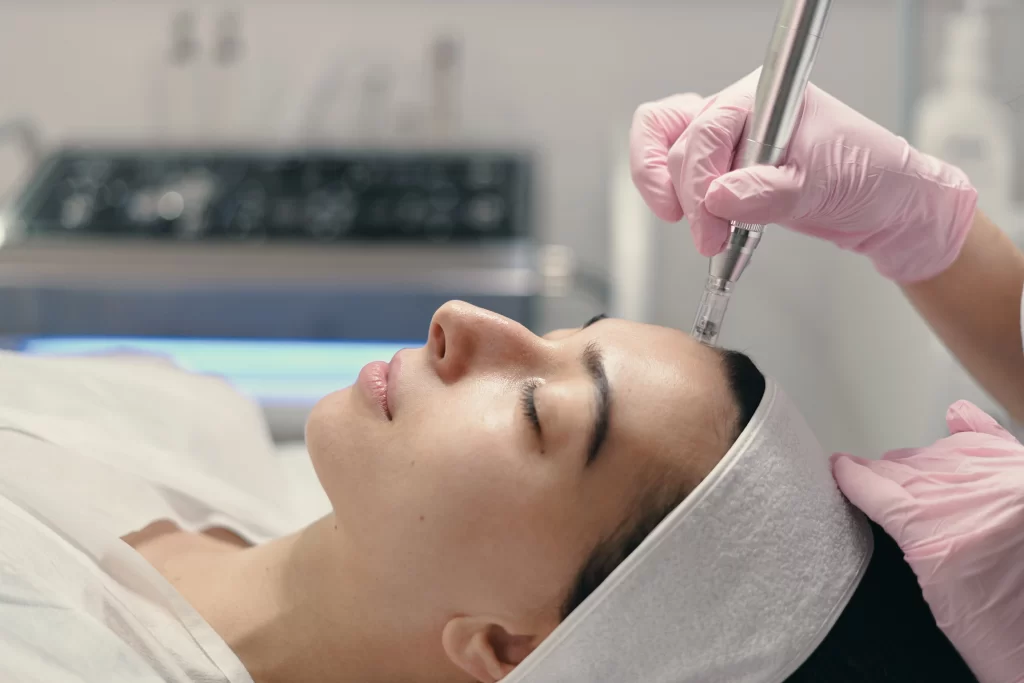
Microneedling Radiofrequency
Microneedling Radiofrequency is a minimally invasive technique that combines traditional microneedling techniques with radiofrequency energy to treat various skin conditions. The procedure involves using fine needles to create micro-injuries (or channels) in the skin while delivering targeted RF energy to its deeper layers. These controlled injuries stimulate the growth of healthy, new skin while the directed RF energy promotes collagen and elastin production. As a result, it will gradually heal your skin and even your skin tone.
The procedure starts with a detailed consultation to assess your melasma and treatment goals. After cleansing the treatment area, a topical anaesthetic is applied for comfort. The practitioner will then use the device to create controlled micro-injuries while delivering radiofrequency energy to deeper skin layers. It stimulates collagen production to firm your skin and even its skin tone. They will also provide you with aftercare instructions to assist with your recovery.
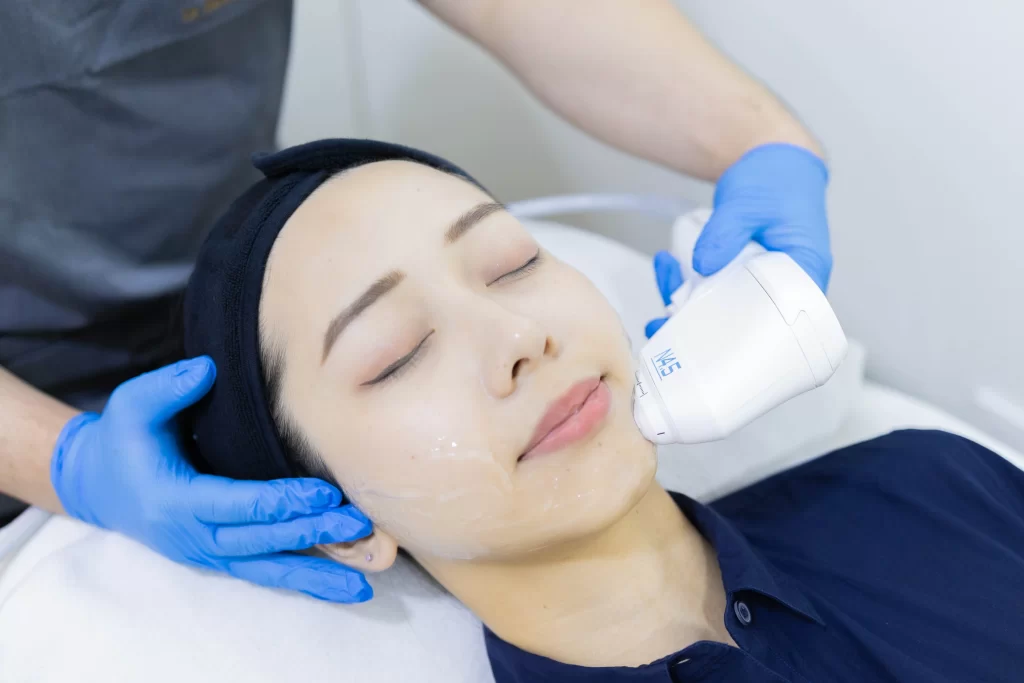
Pico Hybrid Laser Treatment
This non-invasive procedure uses laser technology to address various skin concerns, including melasma. The treatment can address visible skin imperfections and stimulate collagen production to help improve your skin’s texture and tone. The Pico Hybrid Laser targets melanin in the cells, firing at rapid pulse durations to remove skin pigmentation particles and allow the body to naturally clear the pigments, helping to treat uneven skin tone. With the support of a dermatologist, this precision treatment is safe and has shorter treatment times for gradually and safely addressing melasma. Note that results will vary based on your skin condition and the treatment plan.
Book Appointment Now!
Melasma Treatments Comparison
| Treatment | Microneedling Radiofrequency | PICO Hybrid Laser |
|---|---|---|
| Suitable for | Melasma, sagging skin | Melasma, uneven skin tone |
| Key benefits | Helps to restore basement membrane | Reduces pigment and brightens skin; encourages skin renewal |
| Sessions required* | 3 to 4 sessions spaced a month apart | 5 to 10 times, once a month |
| Downtime | Minimal | Minimal |
| Pain/Comfort | Mild discomfort, topical numbing cream available | Very mild discomfort, topical numbing cream available |
| Visible results timeline* | 6 months to 1 year | After 5 to 10 sessions |
*Results may vary between individuals and consultation with a qualified medical practitioner is required
Book Appointment Now!
Melasma Treatment Aftercare
Melasma can occur anywhere on your skin but commonly affects your face, jawline, neck, shoulders, and arms. They may appear tan, brown, greyish brown, or bluish in tone; some also report seeing freckle-like spots appear. In some cases, these patches may also appear reddish or inflamed. Also, melasma does not cause other physical symptoms, such as itching.
Treating Melasma in Singapore
Contact our medical aesthetics clinic in Singapore to book an appointment with our team today.
Book Appointment Now!

AESTHETIC DOCTOR
Dr. Branden Seow
Dr. Branden Seow graduated from the National University of Singapore (NUS). He is fully accredited by the Singapore Medical Council’s Aesthetic Practice Oversight Committee. Before doing Aesthetic Medicine, he had experiences working in several medical disciplines like Internal Medicine, General Surgery, Orthopedic Surgery, Emergency Medicine, as well as Dermatology.
He found great fulfillment in helping patients regain confidence by addressing skin-related issues, as well as making patients look their best, their youngest and their most confident. Dr. Seow’s passion for aesthetic medicine stems from his natural affinity for hands-on work and a deep desire to improve his patients’ lives. Dr. Seow also believes that aesthetic treatments are not just about physical transformation but also about improving a person’s overall sense of well-being.
CONTACT OUTLET
Jean Yip Loft
307 New Bridge Rd, Jean Yip Loft #02-00, Singapore 088757
Phone: (65) 6797 9196
Hours:
Monday – Friday: 11:00am – 8:00pm
Saturday: 10:00am – 4:30pm
Sunday & PH: Closed
Saturday: 10:00am – 4:30pm
Sunday & PH: Closed
Book Appointment Now!