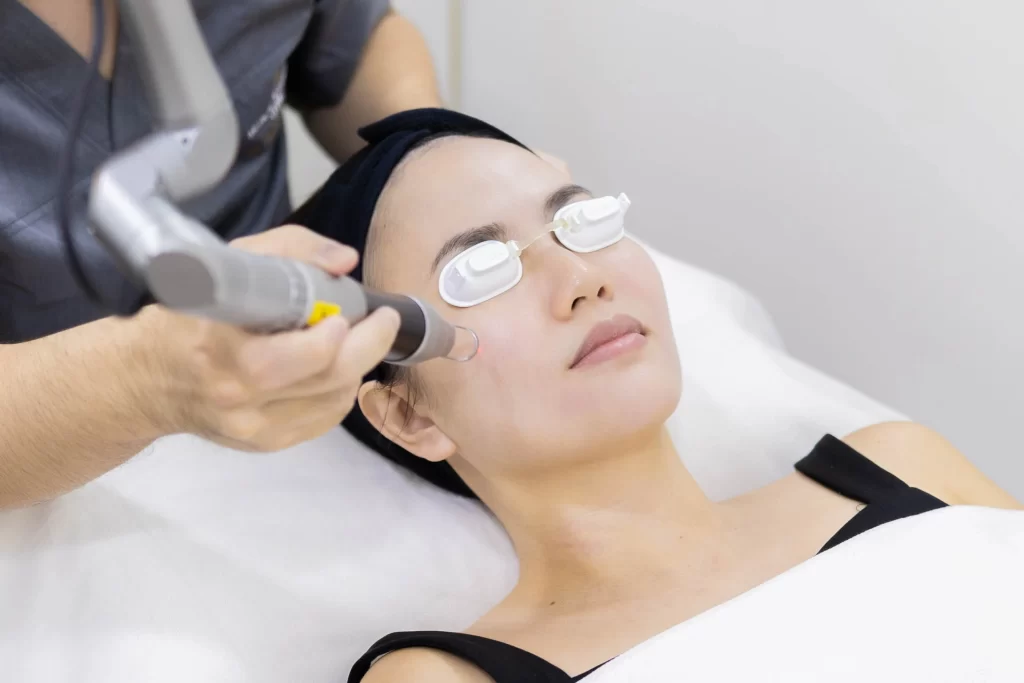
Pigmentation Removal in Singapore

Skin pigmentation concerns can develop gradually. What may begin as a small patch of uneven skin tone or lingering discolouration can become more noticeable over time, especially when the skin is repeatedly exposed to inflammation, ultraviolet (UV) rays, or irritation. In some cases, pigmentation may also return despite repeated skincare or aesthetic treatments.

Because different forms of pigmentation can behave differently beneath the skin, we take a diagnosis-led approach at JY Medical Aesthetics Clinic. Our specialists in Singapore will conduct a no-obligation skin assessment before recommending a suitable pigmentation treatment.
Book a Consultation

What is Skin Pigmentation?

Skin pigmentation refers to changes in skin colour caused by an imbalance in melanin, which is the pigment responsible for giving skin its natural tone. This imbalance can result in either excess or loss of melanin, leading to areas of discolouration that appear darker (hyperpigmentation) or lighter (hypopigmentation) than the surrounding skin.

Excess melanin production is often triggered or worsened by repeated sun exposure. In Singapore, this may be more common due to consistently high UV radiation levels linked to the country’s proximity to the equator. Over time, cumulative UV exposure may contribute to persistent dark patches or uneven skin tone that become increasingly difficult to treat.

Skin pigmentation can occur superficially in the epidermis (the outer layer of the skin), deeper in the dermis (the middle layer of skin), or as a combination of both.

What Causes Skin Pigmentation?

Skin pigmentation is mainly influenced by disruptions to production and distribution of melanin, the natural pigment responsible for the colour of skin, hair, and eyes. Overproduction leads to hyperpigmentation, while underproduction or destruction results in hypopigmentation. Various causes can tip this balance in either direction, some of which are easier to treat than others.

  1. Sun Damage

    Sunlight is the leading cause of hyperpigmentation, as UV rays from the sun stimulate melanocytes, the cells responsible for producing melanin. Prolonged sun exposure triggers increased melanin production as the body’s way of protecting your skin against harmful UV rays. However, excessive exposure to the sun also results in hyperpigmentation irregularities like sun spots or age spots. Sun exposure can also cause dark spots or patches on the skin to become more pronounced.


  2. Hormonal Fluctuations

    Your body may experience hormonal changes during pregnancy, when taking oral contraceptives like birth control pills, or when undergoing hormonal therapies, which influence the body’s melanin production. This hormonal imbalance commonly manifests as melasma, patchy brown or grey-brown discolouration typically affecting the face. 


  3. Skin Inflammation or Injury

    Skin conditions, injuries, or surgery can cause inflammation that activates melanocytes, resulting in pigmentation changes. Depending on how the skin responds, this process can lead to either post-inflammatory hyperpigmentation, where dark spots develop as the skin heals, or post-inflammatory hypopigmentation where melanin production is suppressed, leaving behind lighter patches. Common triggers include acne, eczema, lupus, and burns. Individuals with darker skin tones are more prone to either outcome due to their naturally higher melanin content.


  4. Age

    Physiological changes are a primary cause of the increase in age spots in those over 40 years old. The number of melanocytes decreases with age, while the remaining cells grow larger and distribute melanin more unevenly. The change to melanin distribution that occurs as we age can lead to the development of age or liver spots, often caused by years of accumulated sun exposure.


  5. Reaction or Exposure to Medications, Chemicals, and Drugs

    Certain medications or chemical exposures can interfere with melanin production in both directions. Antibiotics, antimalarial drugs, tricyclic antidepressants, chemotherapy drugs, anti-seizure drugs, and some topical treatments may cause patches of your skin to turn grey. Others, like topical corticosteroids or excessive use of chemical agents like hydroquinone, may suppress melanin production and lead to uneven lightening of the skin.

Types of Skin Pigmentation

Different forms of skin pigmentation can develop for different reasons, such as:

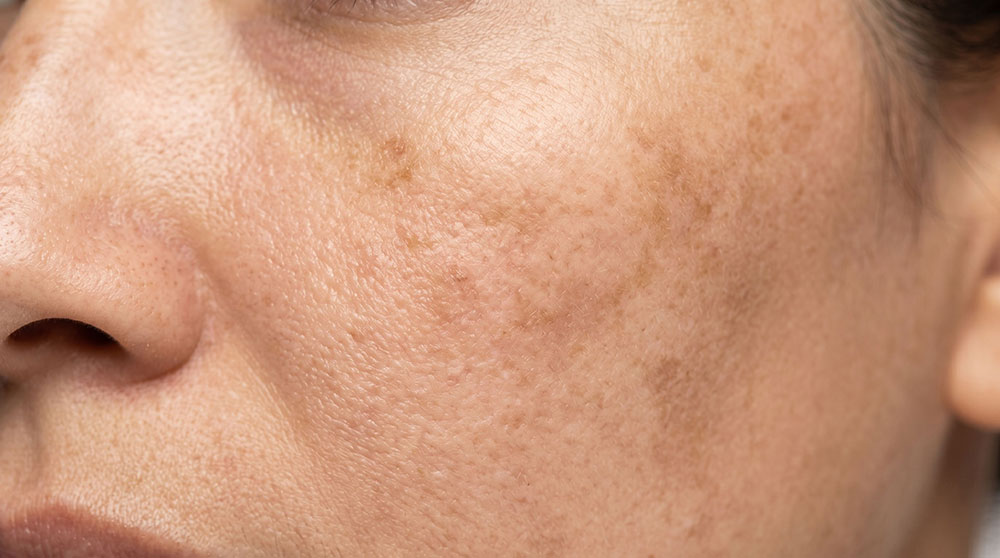
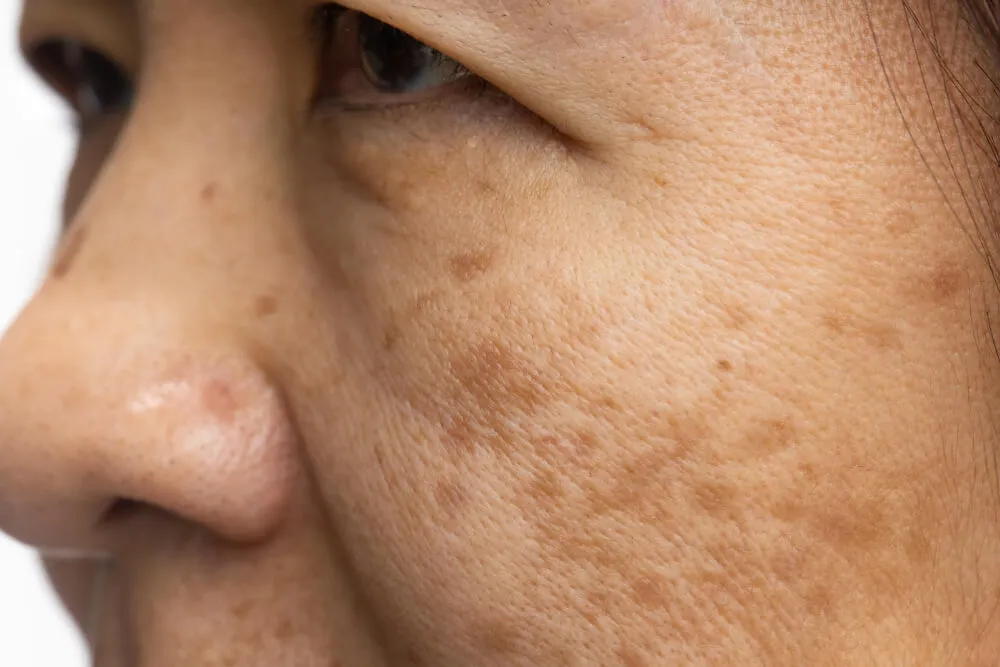
Melasma

Melasma

Melasma, also known as chloasma, presents itself as patchy brown or grey-brown discolouration, commonly affecting the cheeks, forehead, upper lip, nose bridge, and chin. The patches caused by this common pigmentation condition may also appear on other areas of your body that are exposed to a lot of sunlight like your forearms, neck, and shoulders.

Melasma is often associated with hormonal changes such as pregnancy or birth control use, making women particularly susceptible. Those with light brown to darker skin tones are also affected, especially in regions exposed to more sun.

Age Spots

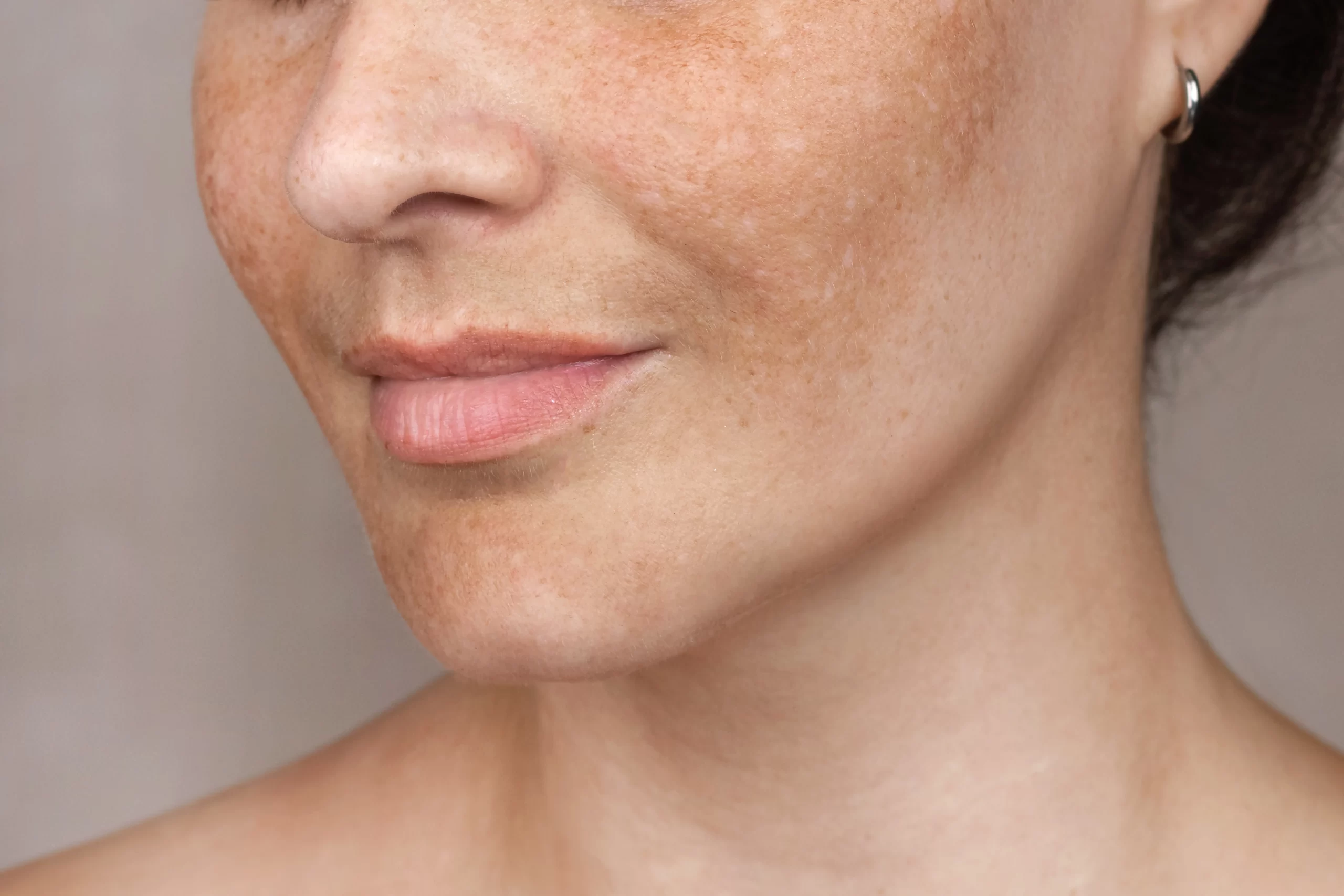
Also referred to as lentigo, sun spots, and solar lentigines, age spots are usually flat spots that are tan, brown, or black. Age spots look like freckles and are darker than the surrounding skin. Although also known as liver spots, it has no connection to the liver. Due to prolonged UV exposure, these spots develop on skin exposed to the sun, commonly appearing on the face, hands, arms, and legs of older individuals or those who are exposed to the sun for an extended amount of time.

Age Spots
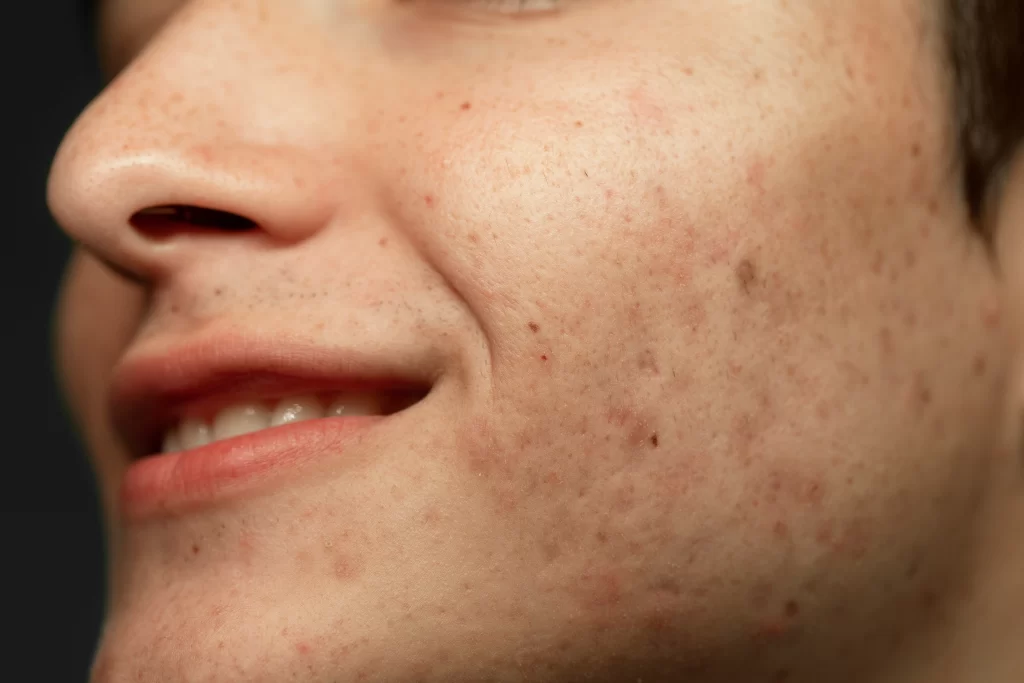
post inflammatory hyperpigmentation

Post-Inflammatory Hyperpigmentation (PIH)

Post-inflammatory hyperpigmentation presents itself as dark spots, patches of darkened skin, or flat areas of discolouration. These can appear after healing from skin inflammation or injury like acne, cuts, burns, eczema, or lupus. They form due to an inflammatory response that triggers additional melanin production during the skin’s healing process. Sun exposure can also make these spots more distinct.

Post-Inflammatory Hypopigmentation

Post-inflammatory hypopigmentation refers to lighter patches that can appear after skin trauma or inflammation — the same triggers as its hyperpigmentation counterpart, but resulting in a loss of melanin rather than an excess. It may also occur as a side effect of certain laser treatments or topical therapies if the skin’s pigment-producing cells are disrupted.

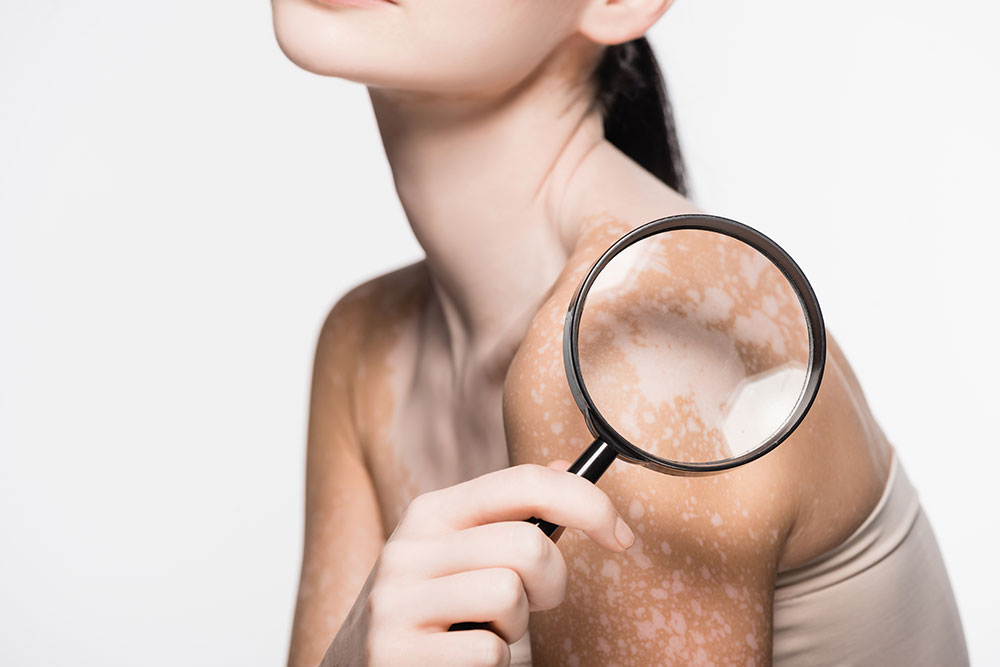
Vitiligo

Vitiligo is a condition in which the immune system attacks melanocytes, the cells responsible for producing melanin. This causes smooth, well-defined patches of depigmented skin. It can affect any area of the body and may gradually expand over time.

Laser Treatment for Pigmentation Removal in Singapore

Although some skin pigmentation can improve naturally over time, certain types are more stubborn. Fortunately, there are aesthetic treatments for pigmentation in Singapore that help to reduce the appearance of unyielding dark spots or patches.

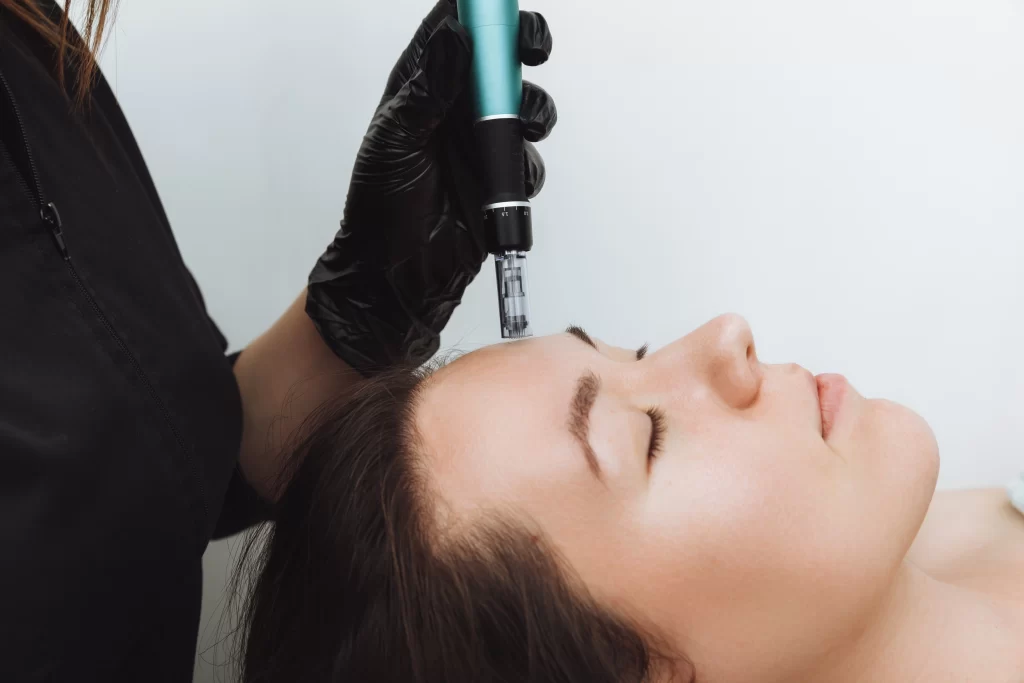
microneedling rf treatment

Pico Hybrid Laser

This laser treatment for pigmentation uses picosecond laser technology to deliver ultra-short pulses of energy to the skin which effectively breaks down pigmentation into smaller particles, enabling the body to eliminate them naturally. This approach offers great precision and causes minimal heat damage to surrounding tissue, making the treatment effective for lightening dark pigmentation and improving uneven skin tone.

This non-invasive hyperpigmentation laser treatment is also less abrasive than traditional lasers, resulting in a shorter recovery time. The combination of picosecond and nanosecond pulse durations also helps to address skin concerns more precisely and efficiently. The shorter pulse lengths allow for shorter treatment times, typically lasting 15 to 30 minutes depending on each individual’s condition and treatment area.

pico hybrid laser for skin

Radiofrequency (RF) Microneedling

This procedure may also be incorporated into a broader skin pigmentation treatment plan. Combining microneedling with radiofrequency (RF), this treatment delivers RF energy through fine needles into the skin, targeting dark spots and uneven skin tone caused by melanin deposits.

The RF energy generates heat that progressively breaks down melanin deposits, leading to brightening the affected areas over time. RF Microneedling stimulates the skin’s natural healing process, encourages the generation of new skin cells with balanced melanin levels, and promotes a more even skin tone.

Which skin pigmentation treatment is right for you?

Book a consultation at JY Medical Aesthetics Clinic to find out!

Book Appointment Now!

What to Expect During Laser Treatment For Pigmentation

Consultation and Skin Assessment

Our aesthetic doctor will examine the pigmentation, review possible triggers, and assess your skin type before recommending a suitable treatment approach.

Laser Treatment Session

The skin is cleansed before the laser is applied to the targeted areas. Depending on the treatment area, the procedure usually takes around 15 to 30 minutes. You may experience mild warmth or a slight tingling sensation during the pigmentation laser treatment.

Post-Treatment Care and Recovery

Mild redness or sensitivity may occur temporarily after laser treatment. You may be advised to use sun protection, avoid excessive heat exposure, and follow a gentle skincare routine while the skin recovers. Most patients experience minimal downtime and can resume normal daily activities shortly after the procedure.

Pigmentation Removal Price in Singapore

The cost of a pigmentation treatment in Singapore, be it a laser or microneedling procedure, varies depending on the following:

  • Type of pigmentation being treated
  • The laser or device used
  • Size of the treatment area
  • Number of sessions required
  • Whether combination treatments are needed

Some forms of pigmentation may respond after a few sessions, while others may require a longer treatment course or combination-based care.

At JY Medical Aesthetics Clinic, we provide treatment recommendations once we fully access the type and depth of pigmentation involved. This helps us determine which technologies and treatment intervals may be more appropriate for your skin.

Our team will provide the final price after your pigmentation removal consultation.

Why Choose JY Medical Aesthetics Clinic for Skin Pigmentation Treatment

certified doctor icon

Consultation with our MOH-approved doctor

By understanding your needs and expectations, we can provide a more effective pigmentation removal solution tailored to you through an accurate diagnosis.
aesthetic treatment plan icon

Customised Treatment Plan

We will create a skin pigmentation treatment plan specifically designed to address your concerns, budget, timeline, and comfort level.
medical icon

Medical-Grade Machines

We use only medical-grade machines for our pigmentation laser treatment, ensuring both safety and efficacy. Our medical equipment is trusted by healthcare professionals to deliver reliable and effective results.

Treating Skin Pigmentation in Singapore

If you want to manage your skin pigmentation concerns, visit our medical aesthetics clinic today to discover how our treatments can benefit you.

Book a Professional Skin Assessment

FAQs on Pigmentation Removal Treatment

Pigmentation removal is not always permanent, as some forms of pigmentation can recur over time. As sun exposure is the most common cause of pigmentation, you are advised to maintain consistent sun protection and skincare after a skin pigmentation treatment.

Most patients describe the sensation as similar to when you snap a rubber band against your skin. You may also experience mild warmth or tingling during the procedure, depending on the laser settings and the treatment area.

You may need around three to five treatment sessions, although this varies depending on the type and depth of pigmentation involved. Some pigmentation concerns respond relatively quickly, while deeper or more stubborn pigmentation may take longer to improve.

Downtime is usually minimal. You may experience mild redness, warmth, or slight skin sensitivity for several hours after treatment, with most symptoms settling within 24 hours. In some cases, treated pigmentation may temporarily appear darker before gradually fading.

Temporary side effects can occur after pigmentation removal treatment. These may include redness, mild swelling, dryness, skin sensitivity, or temporary darkening of the treated areas. Although less common, irritation or post-inflammatory pigmentation may also occur, particularly if the skin is exposed to excessive heat or UV radiation during recovery.

Yes, laser treatments can still be performed on darker skin tones when appropriate laser settings and treatment approaches are used. As darker skin is more prone to post-inflammatory pigmentation, careful treatment planning and proper skin assessment are important before proceeding.

CONTACT OUTLET

Jean Yip Loft

307 New Bridge Rd, Jean Yip Loft #02-00, Singapore 088757

Jurong Point

1 Jurong West Central 2, #03-02, Singapore 648886
Hours:
Monday – Friday: 11:00am – 8:00pm
Saturday: 10:00am – 4:30pm
Sunday & PH: Closed
Book Appointment Now!